
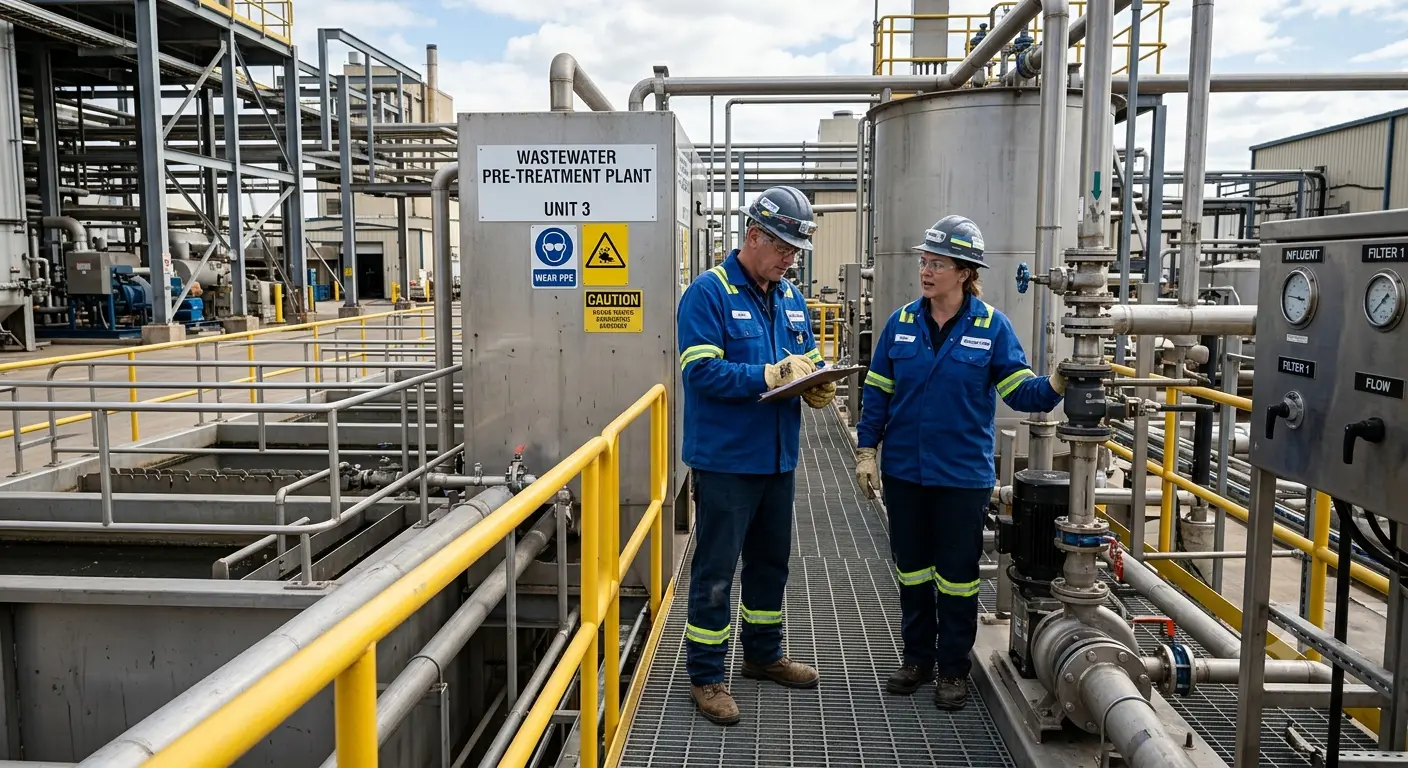
A pre-treatment plant is one of the most important investments in a powder coating line because it prepares metal surfaces for superior coating adhesion and corrosion resistance. While the initial investment varies depending on capacity and automation, the long-term benefits including lower rejection rates, improved coating quality, reduced maintenance, and longer product life-often deliver a strong return on investment (ROI).
Investing in a modern pre-treatment plant helps manufacturers:
- Improve coating adhesion
- Reduce product rejection
- Extend coating lifespan
- Lower maintenance costs
- Minimize powder waste
- Increase production efficiency
- Meet international quality standards
- Improve customer satisfaction
Although the initial investment may seem significant, most manufacturers recover the cost through improved productivity, reduced rework, and lower operating expenses over the equipment’s lifecycle.
What Is a Pre-Treatment Plant?
A pre-treatment plant is the first stage of a powder coating or industrial painting line. Its purpose is to clean, prepare, and chemically treat metal surfaces before coating.
Typical processes include:
- Degreasing
- Water rinsing
- Surface conditioning
- Phosphating or conversion coating
- Passivation
- Drying
Proper pretreatment creates an ideal surface that allows powder coating to bond effectively, resulting in improved durability and corrosion resistance.
Why Surface Preparation Matters
Surface preparation has a direct impact on coating performance.
Without proper pretreatment, manufacturers often experience:
- Poor adhesion
- Rust formation
- Peeling coatings
- Bubbling
- Premature failures
- Increased warranty claims
Industry studies consistently show that inadequate surface preparation is one of the leading causes of coating failure.
A high-quality pretreatment process significantly improves long-term product performance.
Components of a Pre-Treatment Plant
A complete pretreatment system typically includes:
| Component | Purpose |
|---|---|
| Degreasing Tank | Removes oils and contaminants |
| Rinse Tanks | Removes chemical residues |
| Phosphating/Conversion Stage | Improves adhesion and corrosion resistance |
| Passivation Tank | Enhances surface protection |
| Drying Oven | Removes moisture before coating |
| Pumps & Spray Systems | Ensure uniform chemical application |
| Filtration System | Maintains process efficiency |
| Water Treatment System | Supports wastewater management and recycling |
Each component contributes to consistent surface preparation and coating quality.
What Determines Pre-Treatment Plant Cost?
The cost of a pretreatment plant depends on several technical and operational factors.
Production Capacity
Higher production volumes require larger tanks, more powerful pumps, and greater automation.
Plant Configuration
Options include:
- Dip pretreatment systems
- Spray pretreatment systems
- Conveyorized pretreatment lines
Automation Level
Automatic systems increase productivity but require a higher initial investment.
Number of Treatment Stages
Additional stages improve surface quality but also increase equipment and operating costs.
Material Compatibility
Different metals such as mild steel, galvanized steel, aluminum, or stainless steel may require specialized pretreatment processes.
Pre-Treatment Plant Cost Breakdown
The total investment includes more than just the equipment itself.
| Cost Category | Typical Scope |
| Plant Design | Engineering and layout |
| Equipment | Tanks, pumps, piping, controls |
| Installation | Assembly and commissioning |
| Utilities | Electrical, water, compressed air |
| Civil Work | Foundations and drainage |
| Chemical Dosing Systems | Automated process control |
| Water Treatment | Effluent treatment integration |
| Operator Training | Commissioning support |
Rather than focusing solely on purchase price, manufacturers should evaluate lifecycle costs and long-term operational savings.
Hidden Costs to Consider
Beyond the initial investment, ongoing costs influence the total cost of ownership.
These include:
- Water consumption
- Chemical usage
- Energy for pumps and dryers
- Preventive maintenance
- Consumables
- Wastewater treatment
- Sludge disposal
- Operator training
Efficient plant design can significantly reduce these recurring expenses.
ROI Analysis: Is the Investment Worth It?
A pretreatment plant should be viewed as a productivity investment rather than simply a cost.
Key Financial Benefits
Reduced Rework
Better surface preparation minimizes coating defects, reducing the need for costly rework.
Lower Rejection Rates
Consistent pretreatment improves first-pass quality and reduces rejected parts.
Improved Powder Utilization
Properly prepared surfaces improve coating efficiency and reduce material waste.
Longer Product Life
Enhanced corrosion resistance leads to fewer warranty claims and improved customer satisfaction.
Increased Production Efficiency
Automated pretreatment systems support continuous production with consistent quality.
Sample Cost-Benefit Comparison
| Without Pretreatment | With Pretreatment |
| Higher rejection rates | Lower rejection rates |
| More coating failures | Better adhesion |
| Higher maintenance costs | Reduced maintenance |
| Shorter product lifespan | Longer product lifespan |
| Greater powder waste | Improved material utilization |
| Higher warranty expenses | Lower warranty claims |
Although initial investment increases, operational savings often outweigh the additional cost over the system’s lifetime.
Industries That Benefit Most
Pretreatment systems are essential across a wide range of industries.
Metal Furniture Manufacturing
Provides durable, corrosion-resistant finishes for office and industrial furniture.
Automotive Components
Improves coating adhesion on chassis, brackets, and fabricated parts.
Aluminium Extrusions
Ensures consistent surface preparation before architectural powder coating.
Electrical Enclosures
Protects cabinets and control panels from corrosion.
Heavy Fabrication
Enhances durability of structural steel and industrial equipment.
Agricultural Machinery
Improves resistance to harsh outdoor environments.
How to Choose the Right Pre-Treatment Plant
Before investing, evaluate:
Production Capacity
Select equipment that supports both current demand and future expansion.
Metal Types
Ensure compatibility with all materials processed in your facility.
Available Space
Plant layout should maximize workflow and maintenance accessibility.
Water Management
Consider integrating wastewater treatment and water recycling systems.
Automation Requirements
Automatic systems reduce labor while improving consistency.
Future Regulations
Choose scalable equipment capable of meeting evolving environmental and quality standards.
Why Manufacturers Choose Brahma Fabricon
Brahma Fabricon designs complete pretreatment systems engineered for efficiency, reliability, and long-term performance.
Our Expertise Includes
- Spray pretreatment plants
- Dip pretreatment systems
- Conveyorized pretreatment lines
- Powder coating plants
- Water treatment integration
- Turnkey finishing solutions
Why Partner With Us?
- Customized engineering
- Energy-efficient designs
- Reduced operating costs
- Compliance-focused solutions
- Comprehensive installation and commissioning
- Reliable after-sales support
Our systems help manufacturers maximize coating quality while minimizing lifecycle costs.
Quick Answers
What is the purpose of a pretreatment plant?
It cleans and chemically prepares metal surfaces to improve powder coating adhesion, corrosion resistance, and finish durability.
Is a pretreatment plant worth the investment?
For most medium and large manufacturers, yes. Improved product quality, lower rejection rates, reduced maintenance, and longer coating life often justify the investment.
What affects pretreatment plant cost?
Key factors include plant capacity, automation level, number of treatment stages, equipment configuration, and wastewater management requirements.
Which industries require pretreatment systems?
Metal furniture, automotive, aluminum extrusion, electrical equipment, heavy fabrication, construction, and engineering industries.
Frequently Asked Questions
1. What is a pretreatment plant?
A pretreatment plant prepares metal surfaces through cleaning and chemical treatment before powder coating or painting.
2. Why is pretreatment necessary?
It improves coating adhesion, corrosion resistance, and overall product durability.
3. How much does a pretreatment plant cost?
Costs vary depending on capacity, automation, and system configuration. Custom quotations provide the most accurate estimate.
4. How does a pretreatment plant improve ROI?
By reducing defects, lowering maintenance costs, improving productivity, and extending product life.
5. Which industries benefit most from pretreatment?
Metal furniture, automotive, electrical, heavy engineering, and aluminum fabrication industries.
6. Does pretreatment reduce powder consumption?
Yes. Properly prepared surfaces improve coating efficiency and reduce rework.
7. Can pretreatment systems be automated?
Yes. Modern systems integrate PLC controls, automated dosing, and conveyorized operation.
8. Is wastewater treatment required?
Most industrial pretreatment plants include or integrate with wastewater treatment systems to support environmental compliance.
9. How long does a pretreatment plant last?
With preventive maintenance, a high-quality pretreatment plant can provide reliable service for decades.
10. Can Brahma Fabricon design customized pretreatment plants?
Yes. We provide fully customized pretreatment systems based on production volume, metal type, and facility requirements.
Conclusion
A pretreatment plant is more than an equipment purchase—it is a strategic investment that directly influences coating quality, operational efficiency, and long-term profitability. While the initial cost depends on production requirements and automation levels, the benefits of improved adhesion, lower rejection rates, reduced maintenance, and enhanced corrosion resistance typically deliver a strong return on investment. Manufacturers that evaluate lifecycle costs instead of upfront price alone are better positioned to build efficient, competitive, and future-ready finishing operations.
Calculate Your Pretreatment Plant ROI
Planning a new powder coating facility or upgrading an existing finishing line?
Brahma Fabricon can help you make the right investment with:
- Free ROI analysis
- Pretreatment plant cost estimation
- Customized plant design
- Production capacity assessment
- Water treatment integration
- Turnkey installation and commissioning
- Detailed project quotations
Request a personalized ROI calculation today and discover how the right pretreatment plant can improve quality, reduce costs, and increase profitability.