Conveyorised Powder Coating Plant in India

How to Choose the Right Conveyorised Powder Coating Plant in India 2026 – Complete Buyer’s Guide

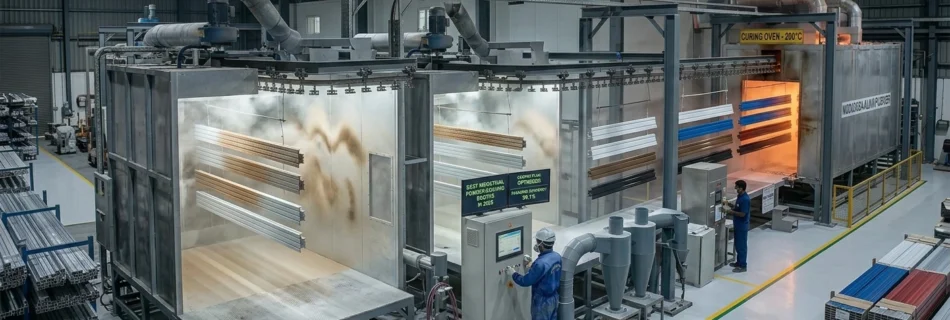
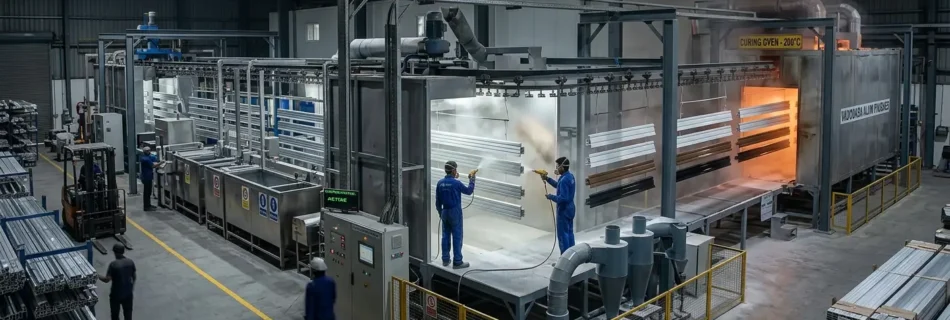
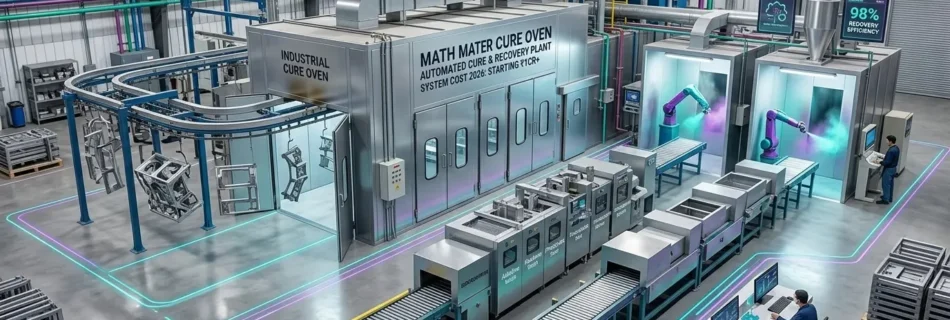
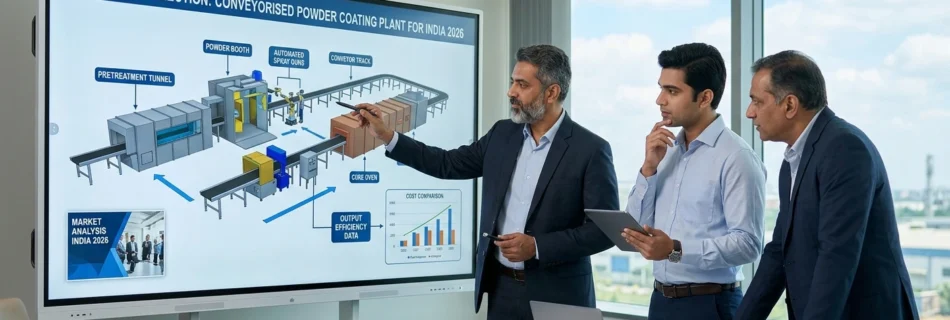
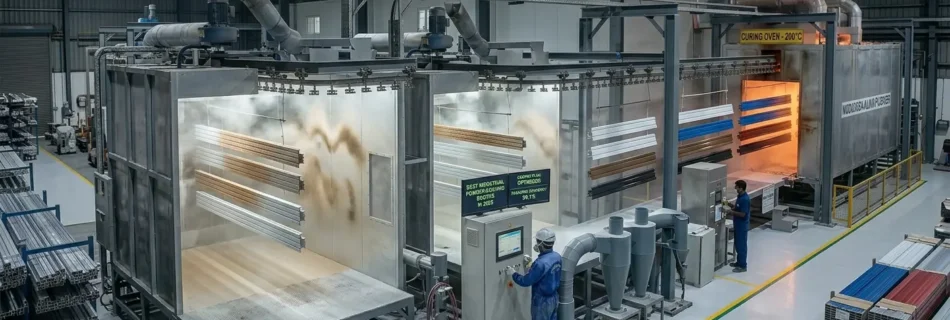
As a factory owner, production manager, or procurement head in Gujarat or anywhere in India, selecting the right conveyorised powder coating plant is one of the most important decisions for your manufacturing unit. Inconsistent coating quality, high energy consumption, low production efficiency, and unreliable suppliers are the top pain points that keep decision-makers awake at night. What to know more about, How to Choose the Right Conveyorised Powder Coating Plant in India 2026 – Read Complete Guide A Brahma Fabricon Conveyorised Powder Coating Plant is an ISO 9001:2015 certified automated continuous-flow system engineered in Vadodara, Gujarat. It uses overhead chain conveyors to deliver uniform, high-quality powder coating on metal components with up to 98% powder recovery, reduced energy costs, and reliable long-term performance for medium-to-high volume production. This complete 2026 buyer’s guide walks you through a proven step-by-step framework to choose the best conveyorised powder coating plant that matches your production needs, budget, and growth plans. Why Choosing the Right Conveyorised Powder Coating Plant Matters in 2026 With rising energy prices and increasing demand for consistent, durable finishes (especially on control panels, aluminum sections, and heavy fabrications), the wrong plant can lead to: High rejection rates due to uneven coating Excessive powder waste and energy bills Frequent breakdowns and costly downtime Poor ROI despite heavy investment A well-chosen conveyorised system solves these issues and delivers measurable improvements in quality, speed, and profitability. Step-by-Step Framework: How to Choose a Conveyorised Powder Coating Plant in India Follow this proven 8-step process recommended by Brahma Fabricon experts: Define Your Production Requirements Clearly Calculate your current and projected volume (m² per hour or per shift). Decide whether you need continuous high-volume output or flexibility for different part sizes. Assess Available Factory Space and Layout Measure your shop floor. Conveyorised lines require a linear or U-shaped layout with space for pre-treatment, booth, oven, and conveyor return. Decide on Conveyor Type Choose between simple overhead chain conveyor or advanced Power & Free conveyor for better flexibility and accumulation. Evaluate Powder Recovery System Target minimum 95–98% recovery. Advanced cyclone + cartridge filter systems (like those in Brahma Fabricon plants) minimize waste and material costs. Prioritize Energy Efficiency Features Look for well-insulated ovens, heat recovery systems, variable frequency drives on conveyors, and optimized burner technology to reduce your biggest operational pain — high energy consumption. Check Customization Capabilities Ensure the manufacturer can tailor the plant for your specific products (e.g., control panels, aluminum extrusions, or cleanroom equipment). Verify Manufacturer Credentials and After-Sales Support Prioritize companies with proven track record, ISO certification, local presence (especially in Gujarat), and fast spare-parts availability. Calculate ROI and Total Cost of Ownership Don’t just look at initial price. Factor in running costs, powder savings, labor reduction, and maintenance over 5 years. Key Factors Checklist When Choosing a Conveyorised Powder Coating Plant Capacity & Speed: Match conveyor speed and oven length to your required throughput Conveyor System: Overhead vs Power & Free – impact on flexibility Powder Recovery: Aim for 98% recovery to cut material costs dramatically Energy Efficiency: Insulated curing ovens, efficient heating (gas/electric/oil), and smart controls Pre-treatment Integration: Seamless link with pre treatment plants for superior adhesion Booth Design: Multi-color capability, quick color change, and safety features Automation Level: PLC control, auto guns, and monitoring systems After-Sales Service: Local support in Vadodara/Gujarat and pan-India installation & training Manufacturer Evaluation Table – How to Compare Suppliers in India 2026 Criteria What to Look For Brahma Fabricon Advantage Years of Experience 15+ years 20+ years in powder coating plants Certifications ISO 9001:2015 ISO 9001:2015 certified Number of Installations 50+ proven projects 500+ successful installations Local Presence (Gujarat) Factory or strong service network Manufacturing base in Vadodara Turnkey Capability Complete solution (booth + oven + conveyor) Full turnkey solutions Pricing Transparency Clear breakup without hidden costs Honest & competitive quotes After-Sales Support Quick response & spare parts availability Dedicated Gujarat-based service team Customization Tailor-made for your products Highly customized designs Brahma Fabricon Advantages – Why Manufacturers Across India Trust Us Vadodara Manufacturing Base: Faster delivery, easier installation, and immediate support for Gujarat clients 20+ Years of Expertise: Deep understanding of real industrial challenges like inconsistent quality and high energy use Proven 98% Powder Recovery: Dramatically reduces your material costs Energy-Efficient Designs: Helps you overcome high electricity and fuel bills Complete Turnkey Solutions: We handle powder coating booths, powder curing ovens, pretreatment systems, and conveyor integration under one roof 500+ Happy Installations: Real results from factories similar to yours Red Flags to Avoid When Selecting a Conveyorised Powder Coating Plant Manufacturer No clear factory address or only office in Vadodara/Gujarat Vague promises without technical specifications or past project photos Extremely low pricing (often indicates poor quality components or no after-sales) Lack of ISO certification or refusal to share client references No mention of powder recovery percentage or energy consumption data Poor website or no detailed technical content (a sign of limited expertise) ROI Estimator Table – Real Numbers for Gujarat Factories (2026) Production Volume Approx. Investment (₹) Annual Savings (Energy + Labor + Powder) Expected ROI Period Medium (50–150 m²/hr) 15 – 25 lakh 7 – 12 lakh 12 – 18 months High (150–400+ m²/hr) 28 – 50+ lakh 15 – 28 lakh 8 – 14 months (Note: Savings calculated on typical Gujarat industrial electricity & labor rates. Actual ROI depends on utilization.) Key Takeaways Start with clear production volume and space assessment before shortlisting manufacturers. Prioritize 98% powder recovery, energy efficiency, and local after-sales support — these directly solve your major pain points. Evaluate total cost of ownership, not just initial price. Choose an experienced, ISO-certified manufacturer with a strong Gujarat base like Brahma Fabricon for peace of mind and faster ROI. A properly selected conveyorised powder coating plant can transform your production efficiency and profitability in 2026 and beyond. A Brahma Fabricon Conveyorised Powder Coating Plant is an ISO 9001:2015 certified automated continuous-flow powder coating solution designed and manufactured in Vadodara, Gujarat. It delivers uniform, durable finishes with up to 98% powder recovery, …

Conveyorised vs Batch vs Manual Powder Coating Plant

Conveyorised vs Batch vs Manual Powder Coating Plant: Which is Best for Your Production in 2026? – Brahma Fabricon Vadodara Gujarat

As a factory owner, production manager, or procurement head in Gujarat or across India, choosing the right powder coating system directly impacts your coating quality, energy bills, labor costs, and overall production efficiency. Inconsistent finishes, high energy consumption, and frequent maintenance are common pain points – and the wrong system can worsen them. Conveyorised vs Batch vs Manual Powder Coating Plant: Which is Best for Your Production in 2026? – Brahma Fabricon Vadodara Gujarat Brahma Fabricon Conveyorised Powder Coating Plant is an automated continuous-flow system using overhead chain conveyors for high-volume, uniform coating of metal components such as control panels, aluminum sections, cleanroom panels, and heavy fabrications. It delivers up to 98% powder recovery, consistent thickness, and significant long-term savings on energy and labor. This comprehensive 2026 guide compares conveyorised (automated), batch type, and manual powder coating plants across key parameters. We’ll help you match the right system to your production volume, budget, and pain points. What Are the Three Types of Powder Coating Plants? Conveyorised Powder Coating Plant An automated line where parts move continuously on an overhead or power-and-free conveyor through pre-treatment, powder application booth, and curing oven. Ideal for medium-to-high volume repetitive production. Batch Type Powder Coating Plant Parts are loaded in batches (often on trolleys or racks) into a booth and oven for processing in cycles. Semi-automated or manual gun application with flexible setups. Manual Powder Coating Plant Fully operator-driven with handheld guns, small booths, and batch ovens. Best suited for prototypes, very low volumes, or highly custom jobs. Detailed Comparison: Conveyorised vs Batch vs Manual (2026 Data) Here’s a clear, side-by-side comparison based on real Indian industrial scenarios (costs approximate for Gujarat/pan-India setups; actuals vary by capacity and customization): Feature Conveyorised (Automated) Batch Type Manual Production Volume High (continuous flow, 100–500+ m²/hr) Medium-Low (batches) Low (prototypes/small runs) Labor Requirement Low (1–2 operators for monitoring) Medium (loading/unloading + guns) High (full-time operators) Consistency & Quality Excellent (uniform thickness & coverage) Good (depends on operator skill) Operator-dependent (variations common) Initial Investment Higher (₹12–50 lakh+) Moderate (₹3.5–15 lakh) Lowest (₹0.7–8 lakh) Operating Cost per m² ₹150–₹250 (lower at scale) ₹250–₹400 Highest due to waste & labor Energy Efficiency Better for high volume (optimized continuous curing) Moderate (stop-start cycles) Lower (frequent heating/cooling) Space Requirement Larger (dedicated line layout) Compact Smallest Powder Recovery Up to 98% (automated cyclone/filter) 70–90% 50–70% (higher waste) Best For Medium-High volume factories (control panels, aluminum, fabrication) Small-custom or mixed jobs Prototypes & very low volume ROI Timeline 6–18 months at high volume 12–24 months Slower (higher ongoing costs) Maintenance Scheduled (lower long-term) Medium Higher (operator wear & tear) (Data synthesized from industry benchmarks in Gujarat and pan-India operations. Brahma Fabricon systems often achieve better energy efficiency through optimized insulation and recovery.) Pros and Cons of Each System (Addressing Your Key Pain Points) Conveyorised Powder Coating Plant – Pros Superior consistency → solves inconsistent coating quality Reduced labor and powder waste → lowers costs High throughput with minimal human error Integrates seamlessly with powder curing ovens and powder coating booths for true turnkey performance Cons Higher upfront cost Requires more floor space and proper layout planning Less flexible for very frequent color or part-size changes Batch Type Powder Coating Plant – Pros Lower initial investment Flexible for custom or mixed production Easier to start with limited space Cons Higher labor and operating costs More energy loss from repeated heating/cooling cycles Quality can vary between batches Manual Powder Coating Plant – Pros Lowest cost to begin Maximum flexibility for one-off jobs Simple setup Cons High labor dependency and fatigue Inconsistent finish (your #1 pain point) Poor powder recovery and higher waste Not scalable as your business grows When to Choose Each System – Real Gujarat Examples Choose Conveyorised if: You run medium-to-high volume production (e.g., electrical control panels, aluminum sections, or cleanroom equipment). A Vadodara-based fabrication unit switched to Brahma Fabricon’s conveyorised line and reported 30–40% lower cost per m², uniform coating, and faster delivery — directly addressing high energy consumption and low efficiency. Choose Batch Type if: Your orders are smaller or highly customized with frequent changeovers. Many Gujarat SMEs start here and later upgrade to conveyorised as volume grows. Choose Manual if: You are a startup or handle only prototypes and very small batches. It’s a low-risk entry point but plan for future scaling. Pro Tip from Brahma Fabricon: Many clients in Vadodara and surrounding industrial areas begin with a hybrid or batch setup and expand to full conveyorised within 12–18 months for better ROI. Key Factors to Consider Before Buying in 2026 Your current and projected production volume Available factory space in Vadodara/Gujarat Energy costs (electric/gas/oil options) Need for integration with pre-treatment plants After-sales support and spare parts availability (local Gujarat advantage with Brahma Fabricon) ISO 9001:2015 certified quality and 20+ years of turnkey experience Key Takeaways Conveyorised systems win for consistency, efficiency, and scalability — ideal if you want to reduce energy use and labor while increasing output. Batch systems offer a balanced, flexible middle ground for growing factories. Manual systems suit only very low-volume or prototype work but become expensive long-term. The best choice depends on your specific pain points: inconsistent quality, high energy bills, or low production efficiency. A Brahma Fabricon Conveyorised Powder Coating Plant is an ISO 9001:2015 certified automated continuous-flow system engineered in Vadodara, Gujarat, delivering uniform, durable finishes with up to 98% powder recovery and optimized energy performance for industrial manufacturers across India. Frequently Asked Questions (FAQ) Q1: Is a conveyorised powder coating plant worth the investment in Gujarat? A: Yes, for medium-high volume production. Most clients recover the higher initial cost within 6–18 months through labor savings, better powder recovery, and consistent quality. Q2: Which system consumes less energy – conveyorised or batch? A: Conveyorised systems are more energy-efficient at scale because of continuous optimized curing. Batch systems lose energy during repeated heating cycles. Q3: Can I integrate a conveyorised plant with existing curing ovens? A: Yes. Brahma Fabricon offers seamless integration with our powder curing …

powder coating plant manufacturer in India

How to Choose the Right Powder Coating Plant Manufacturer in India

Choosing the right powder coating plant manufacturer in India requires evaluating technical expertise, customization capability, project experience, after-sales support, and cost transparency. The best manufacturer is not just a supplier but a long-term partner who understands your production needs, industry standards, and scalability requirements. One of the biggest reasons entrepreneurs are investing in this industry is the wide range of benefits of powder coating, including durability, cost efficiency, and eco-friendly operation compared to traditional liquid painting methods. Key factors to choose the right manufacturer: Industry experience & project portfolio Customization capability Technology & automation level Quality of components used After-sales service & support Pricing transparency Client reviews & reputation What is a Powder Coating Plant Manufacturer? A powder coating plant manufacturer designs, builds, and installs complete coating systems used for applying durable finishes on metal surfaces. They typically provide: Pretreatment systems Powder coating booths Spray equipment Curing ovens Conveyorized systems A reliable manufacturer ensures efficiency, durability, and long-term ROI. Why Choosing the Right Manufacturer Matters Selecting the wrong vendor can lead to: Poor coating quality High maintenance cost Production downtime Energy inefficiency The right choice ensures: Consistent finish quality Lower operational cost Scalable production Types of Powder Coating Plant Manufacturers in India 1. Local Fabricators Low cost Limited technology Suitable for very small setups 2. Mid-Level Industrial Manufacturers Balanced cost & quality Custom solutions Ideal for SMEs 3. Advanced Automation Providers High-end systems Robotics & conveyorized plants Best for large-scale industries Step-by-Step Guide to Choose the Right Manufacturer Step 1: Define Your Requirements Ask yourself: What is your production volume? What products will you coat? What level of automation do you need? Step 2: Evaluate Industry Experience Check: Number of years in business Completed projects Industries served Prefer manufacturers with real project experience, not just brochures. Step 3: Check Customization Capability Every factory is different. Ensure they can: Design plant layout Customize capacity Modify based on your space Step 4: Review Technology & Equipment Look for: Energy-efficient ovens Advanced spray systems Durable conveyor systems Step 5: Compare Cost vs Value Don’t choose based on lowest price. Evaluate: Initial cost Maintenance cost Energy consumption Step 6: Verify After-Sales Support This is critical. Check: Installation support Training Spare parts availability Step 7: Check Client Reviews & Projects Ask for client references Visit installed plants if possible Check real performance Cost of Powder Coating Plant in India Type Cost Range Manual Plant ₹3L – ₹8L Semi-Automatic ₹8L – ₹20L Automatic Conveyorized ₹20L+ Cost depends on: Automation level Size Customization Key Features to Look for in a Manufacturer Strong engineering team In-house production capability Quality certifications Transparent communication Proven track record Comparison: Good vs Poor Manufacturer Factor Good Manufacturer Poor Manufacturer Quality High-grade components Low-quality materials Support Strong after-sales No support Customization Fully flexible Limited Efficiency Energy optimized High power consumption Common Mistakes to Avoid Choosing based only on price Ignoring after-sales support Not checking past projects Overlooking scalability Industries That Require Reliable Manufacturers Automotive Furniture Electrical panels Aluminium fabrication Industrial equipment Expert Insights From an industry perspective: Most businesses fail not because of poor demand, but because they invest in the wrong plant configuration. A good manufacturer will: Guide you on capacity planning Suggest cost-saving layouts Help you scale in future Think long-term, not just initial cost. Conclusion Choosing the right powder coating plant manufacturer in India is a strategic decision that directly impacts your product quality, operational efficiency, and long-term profitability. Instead of focusing only on price, prioritize experience, technology, and support. Looking to start your own coating setup? Explore our complete guide on powder coating plant for small business to understand cost, setup, and profitability. Ready to Set Up Your Powder Coating Plant? Get expert guidance and customized solutions tailored to your business needs. Visit: Powder Coating Plants Or contact our team for a consultation today. FAQs: 1. How do I choose a powder coating plant manufacturer in India? Choose based on experience, customization capability, technology, and after-sales support rather than just price. 2. What is the cost of a powder coating plant in India? It ranges from ₹3 lakh for manual setups to ₹20 lakh+ for automatic systems. 3. Which type of powder coating plant is best for small business? Manual or semi-automatic plants are ideal for small businesses due to lower investment. 4. How long does it take to install a powder coating plant? Typically 2–6 weeks depending on plant size and complexity. 5. What are the most important components of a powder coating plant? Pretreatment system, spray booth, curing oven, and conveyor system. 6. Is powder coating better than liquid painting? Yes, it offers better durability, eco-friendliness, and cost efficiency. 7. Can powder coating plants be customized? Yes, most manufacturers provide fully customized solutions based on production needs.

Benefits of Powder Coating

Benefits of Powder Coating: Why It’s Better Than Traditional Paint

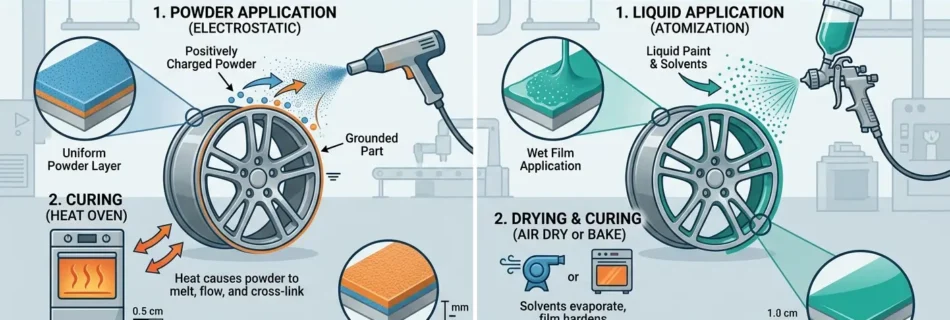
Powder coating is a modern finishing process where a dry powder is electrostatically applied to a metal surface and then cured with heat to create a durable, protective layer. The benefits of powder coating include exceptional durability, corrosion resistance, cost efficiency, and a smoother finish compared to traditional liquid paint. Because of these advantages, powder coating is widely used in automotive wheels, industrial equipment, appliances, and architectural components. What Is Powder Coating and How Does It Work? Powder coating is a dry finishing technique used mainly on metal surfaces. Instead of liquid paint, manufacturers apply electrostatically charged powder particles to a grounded object. The process typically involves three main steps: Surface Preparation – Cleaning, degreasing, and sometimes sandblasting the metal. Powder Application – Electrostatic spray guns apply powder evenly. Curing Process – The coated object is heated in an oven (usually 180–200°C) so the powder melts and forms a smooth protective layer. This process creates a strong, uniform coating that bonds better than traditional paint. Top Benefits of Powder Coating 1. Exceptional Durability One of the biggest advantages of powder coating over painting is durability. Powder-coated surfaces are resistant to: Scratches Chips Cracking Peeling Fading The curing process creates a thick, uniform coating that protects metal surfaces for years. Example:Powder coating is commonly used on automotive wheels, industrial machinery, and outdoor furniture because these components face constant wear and environmental exposure. 2. Superior Corrosion Resistance Another major benefit is powder coating corrosion resistance. The coating acts as a protective barrier against moisture, chemicals, and oxidation, which prevents rust formation. This makes powder coating ideal for: Automotive parts Marine equipment Steel railings and gates Industrial machinery Benefits of Powder Coating Stainless Steel Even though stainless steel is corrosion resistant, powder coating adds: Additional weather protection Better scratch resistance Improved aesthetics Longer product lifespan Many architectural projects powder coat stainless steel for both protection and design flexibility. 3. Powder Coating Wheels vs Painting When comparing powder coating wheels vs painting, powder coating generally performs better in terms of durability and appearance. Feature Powder Coating Traditional Paint Durability Very high Moderate Scratch Resistance Excellent Low Finish Uniformity Smooth and even May show brush marks Lifespan 10–20 years 3–7 years Maintenance Low Medium Because of these benefits, many car enthusiasts choose powder coating automotive wheels instead of repainting them. 4. Powder Coated Wheels Benefits For automotive enthusiasts and repair shops, powder coated wheels benefits are significant. Key advantages include: Long-lasting finish Strong resistance to road debris Protection against brake dust corrosion Improved visual appearance Easy cleaning and maintenance Powder coating also allows custom colors, matte finishes, metallic coatings, and textured effects. 5. Environmentally Friendly Process Unlike liquid paints, powder coating contains no solvents or VOCs (Volatile Organic Compounds). Environmental benefits include: Reduced air pollution Minimal waste Reusable overspray powder Lower environmental impact According to industry studies, powder coating can achieve up to 95–98% material utilization, significantly reducing waste. 6. Better Finish Quality Powder coating produces a thicker and more uniform finish compared to traditional paint. Advantages include: No paint drips or sagging Even color distribution Smooth or textured finishes Higher impact resistance Manufacturers often choose powder coating for consumer appliances, automotive parts, and industrial equipment because the finish looks more professional and consistent. 7. Cost Efficiency Over Time Another important benefit is powder coating cost efficiency. Although the initial cost may sometimes be slightly higher than paint, powder coating often becomes cheaper in the long run due to: Longer lifespan Reduced maintenance Lower repainting frequency Minimal material waste For industries and repair businesses, this makes powder coating a high ROI surface finishing solution. Real-World Applications of Powder Coating Powder coating is widely used across multiple industries. Automotive Industry Wheels and rims Suspension components Engine parts Bike frames Industrial Manufacturing Machinery components Metal furniture Tool cabinets Storage racks Architecture & Construction Railings Gates Window frames Aluminum panels Consumer Products Home appliances Fitness equipment Electronics housings This versatility is one reason powder coating plants continues to grow globally. When Should You Choose Powder Coating? Powder coating is ideal when you need: Long-term durability Weather and corrosion resistance Professional aesthetic finish Low maintenance surfaces It is especially recommended for: Automotive wheels Outdoor metal products Industrial equipment Stainless steel components Common Myths About Powder Coating Myth 1: Powder Coating Is Only for Industrial Use Reality: It is widely used for car wheels, bicycles, furniture, and home products. Myth 2: Powder Coating Is Too Expensive Reality: While the upfront cost may be slightly higher, the long lifespan makes it more cost-efficient. Myth 3: Powder Coating Has Limited Colors Reality: Thousands of colors, textures, and finishes are available today. FAQ: Benefits of Powder Coating 1. What are the main benefits of powder coating? The main benefits of powder coating include high durability, corrosion resistance, smooth finish, environmental safety, and long-term cost efficiency compared to traditional paint. 2. Is powder coating better than painting? Yes. Powder coating generally provides better durability, stronger adhesion, improved corrosion protection, and longer lifespan than liquid paint. 3. How long does powder coating last? Powder coating can last 10–20 years or more depending on environmental conditions and surface preparation. 4. Is powder coating good for wheels? Yes. Powder coating is widely used for automotive wheels because it offers excellent resistance to scratches, brake dust, road debris, and corrosion. 5. Does powder coating prevent rust? Yes. Powder coating forms a protective barrier that prevents moisture and oxygen from reaching the metal, significantly reducing rust and corrosion. Author:This article was written by a surface finishing and powder coating industry specialist with experience in industrial coating technologies, manufacturing equipment, and automotive finishing processes.

Powder Coating Plant for Small Business

Powder Coating Plant for Small Business: Cost, Setup & Complete Guide (2026)

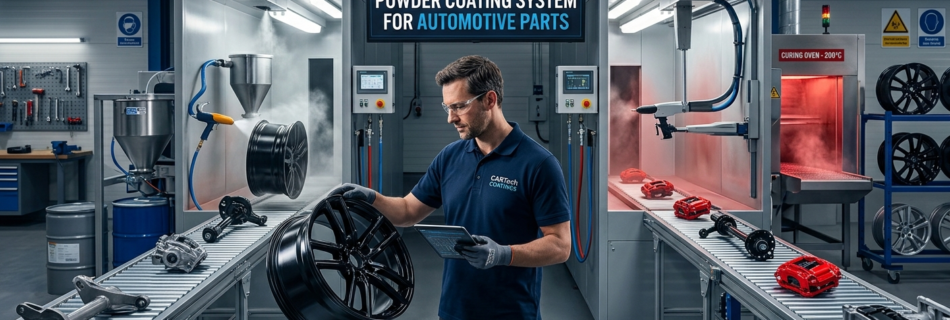
Powder Coating Plant for Small Business: If you’re wondering about the powder coating business start up cost in India or creating a detailed powder coating business plan, understanding the investment, equipment, and setup requirements is essential before getting started. A Powder Coating Plant for Small Business can be an excellent investment for entrepreneurs looking to enter the surface finishing industry with a scalable, efficient, and profitable operation. By choosing the right machinery and planning your setup strategically, you can build a successful powder coating business while optimizing costs and maximizing long-term growth. Whether you’re a fabricator, metal workshop owner, or entrepreneur, powder coating offers a cost-effective, durable, and eco-friendly finishing solution that is in high demand across industries like automotive, furniture, construction, and appliances. In this guide, we’ll break down everything you need to know – from cost and setup to choosing the right plant. What is a Powder Coating Plant? A powder coating plant is an industrial setup used to apply a dry powder coating to metal surfaces, which is then cured under heat to form a strong, protective finish. Key Components: Pretreatment system Powder coating booth Spray guns Curing oven Conveyor system (optional) Powder Coating Business in India: Why Small Manufacturers Are Investing The growing demand for durable surface finishing has made the powder coating business in India an attractive opportunity for entrepreneurs. Many manufacturers are exploring how to start powder coating business operations because of the industry’s scalability and increasing demand. Small and medium businesses are increasingly investing in compact powder coating systems to serve industries like furniture, fabrication, electrical panels, automotive components, and aluminum products. Compared to traditional liquid painting, powder coating offers better finish quality, lower wastage, and long-term profitability for industrial businesses. Why Powder Coating is Ideal for Small Businesses Starting small doesn’t mean thinking small. Powder coating is one of the best entry points in manufacturing because: Low Operating Cost Compared to liquid painting, powder coating reduces material wastage and rework. High Demand Market From gates and grills to industrial parts, demand is consistent. Eco-Friendly Process No harmful solvents, making it compliant with environmental standards. High Profit Margins One of the major reasons entrepreneurs prefer this industry is the attractive powder coating business profit margin, which can increase further with efficient production and repeat industrial orders. Types of Powder Coating Plants for Small Business Choosing the right powder coating plant setup depends on production volume, available space, and future expansion plans. 1. Manual Powder Coating Plant Best for startups and low production volume. Low investment Flexible operations Ideal for custom jobs 2. Semi-Automatic Plant A step ahead of manual systems. Moderate investment Increased efficiency Suitable for growing businesses 3. Small Conveyorized Powder Coating Plant For businesses planning scale. Higher output Consistent quality Requires more space Powder Coating Plant Setup Cost for Small Business in India One of the most common questions entrepreneurs ask is about the powder coating plant setup cost in India. The overall powder coating setup cost and powder coating plant cost depend on automation level, production capacity, and equipment selection. Understanding the complete powder coating plant setup cost helps businesses estimate their initial investment more accurately. Estimated Cost Range: Equipment Estimated Cost Powder Coating Booth ₹1–5 Lakhs Curing Oven ₹2–10 Lakhs Powder Coating Gun ₹40,000–₹3 Lakhs Air Compressor ₹50,000–₹2 Lakhs Pre-Treatment System ₹1–8 Lakhs Conveyor System ₹2–25 Lakhs The powder coating machine price varies according to the type of spray gun, automation level, and powder recovery technology used. You can also explore our Powder Coating Booth systems and industrial Powder Coating Oven solutions for complete plant setup requirements. Space Requirements For a small setup: Manual plant: 500 – 1000 sq. ft. Semi-automatic: 1000 – 3000 sq. ft. Conveyor system: 3000+ sq. ft. How to Start a Powder Coating Business Starting a powder coating business requires proper planning, infrastructure, and equipment selection. A detailed powder coating business plan helps determine investment requirements, target industries, and future expansion opportunities. Conduct local industrial market research Finalize factory location and shed size Select manual or automatic powder coating plant Install pre-treatment and curing systems Obtain GST and pollution approvals Hire trained operators and technicians Start local industrial marketing and customer acquisition Step-by-Step Setup Process A successful powder coating plant setup begins with market research, equipment selection, and efficient factory layout planning. Define your target market (fabrication, furniture, automotive components, appliances, architectural products, etc.) Choose the right powder coating plant type based on your production volume, product size, and budget. Finalize the plant layout and available space to ensure efficient material flow and future expansion. Install the required powder coating equipment including pre-treatment systems, powder coating booths, curing ovens, and conveyor systems. Hire trained operators and quality control personnel to maintain consistent coating quality and production efficiency. Start trial production and optimize process parameters before full-scale operations. For manufacturers planning a commercial setup, understanding the complete powder coating process is essential to achieve consistent finish quality, durability, and operational efficiency. Additionally, proper surface preparation is critical for coating performance and long-term corrosion resistance. Read our detailed guide on industrial powder coating to learn how pre-treatment, cleaning, and phosphating processes contribute to superior coating adhesion and product longevity. How to Choose the Right Powder Coating Plant Before investing, consider: Production volume Available space Budget Future scalability If you’re unsure, it’s always better to consult an expert manufacturer. You can learn more here: Powder Coating Plant Manufacturer India Guide . Common Mistakes to Avoid Underestimating space requirements Choosing low-quality equipment Ignoring pretreatment process Not planning for future expansion Is Powder Coating a Profitable Business? A powder coating business can be highly profitable when operated with proper production planning and industrial customer acquisition. Industries such as furniture manufacturing, agriculture equipment, metal fabrication, electrical enclosures, and aluminum fabrication regularly require powder coating services. Since powder coating provides high durability and premium surface finish, businesses can achieve healthy profit margins while maintaining recurring industrial contracts. While evaluating profitability, entrepreneurs should also consider the overall powder coating business start up cost, operating …

Conveyorized Powder Coating Plant

Conveyorized vs Manual Powder Coating Plants: Which One Is Right for You?

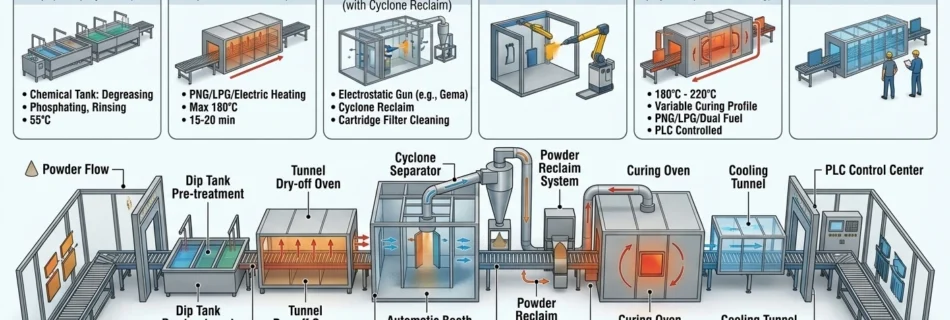
When investing in a powder coating setup, one of the biggest decisions manufacturers face is choosing between a conveyorized powder coating plant and a manual powder coating plant. In this guide on Conveyorized vs Manual Powder Coating Plant, we’ll explore the key differences, advantages, and factors to consider before making the right investment decision. Both systems deliver durable, high-quality finishes – but the right choice depends on your production volume, product type, budget, and long-term growth plans. In this guide, we’ll break down the differences, advantages, limitations, and real-world applications so you can make a smart, ROI-driven decision. What Is a Conveyorized Powder Coating Plant? A conveyorized powder coating plant is a fully integrated system where components move automatically through each stage of the powder coating process via a powered conveyor system. The typical flow includes: Pre-treatment process Drying section Powder coating booth (manual or automatic guns) Curing oven Cooling zone Because parts move continuously, production is streamlined, consistent, and optimized for large-scale manufacturing. Best For: High-volume production Automotive components Electrical panels Aluminum profiles Fabrication industries OEM manufacturers What Is a Manual Powder Coating Plant? A manual powder coating plant relies on operators to handle parts and apply powder using manual spray guns. Parts are typically batch-processed rather than continuously moved. This system is simpler, more compact, and requires lower initial investment. Best For: Small manufacturing units Job work powder coaters Custom fabrication Low to medium production volumes Prototype or specialty coating jobs Key Differences: Conveyorized vs Manual Powder Coating Plant Feature Conveyorized Plant Manual Plant Production Volume High Low to Medium Automation Level High Low Initial Investment Higher Lower Labor Requirement Lower per unit output Higher Consistency Very High Operator Dependent Space Requirement Larger Compact ROI Timeline Faster (for high volume) Slower but safer for small units Advantages of Conveyorized Powder Coating Plants 1️⃣ Higher Production Efficiency Continuous movement ensures faster throughput and minimal downtime. 2️⃣ Consistent Quality Automation reduces human error, resulting in uniform coating thickness and finish. 3️⃣ Lower Cost Per Unit Although initial investment is higher, cost per coated piece reduces significantly over time. 4️⃣ Scalable Operations Ideal for businesses planning expansion or long-term production growth. 5️⃣ Integrated Systems Can include automatic powder guns, recovery systems, PLC controls, and energy-efficient ovens. Advantages of Manual Powder Coating Plants 1️⃣ Lower Initial Investment Perfect for startups and small manufacturers. 2️⃣ Flexibility Easier to handle custom jobs, varying sizes, and small batches. 3️⃣ Simple Operation Less technical complexity and easier maintenance. 4️⃣ Lower Space Requirement Suitable for smaller workshops. Cost Considerations in India When comparing powder coating plant price in India, the gap can be significant: Manual powder coating plants typically require a lower capital investment. Conveyorized powder coating plants demand higher upfront cost but offer better ROI in high-output environments. Your decision should depend on: Daily production capacity Labor availability and cost Expansion plans Power consumption efficiency Long-term operating expenses When Should You Choose a Conveyorized Powder Coating Plant? Choose this option if: You process large volumes daily You supply OEMs or bulk clients You need consistent, repeatable finishes You want automation and lower labor dependency You plan long-term scaling When Should You Choose a Manual Powder Coating Plant? Choose this option if: You are starting a powder coating business You handle customized, small-batch jobs Your budget is limited Production demand is irregular Space is limited Hybrid Option: Semi-Automatic Systems Many manufacturers today opt for a semi-automatic setup – combining manual coating booths with conveyor systems – allowing gradual scaling while controlling investment. This provides flexibility with improved productivity. Final Verdict: Which One Is Right for You? There is no one-size-fits-all answer. If your goal is high production, automation, and long-term cost efficiency, a conveyorized powder coating plant is the smarter investment. If your focus is low initial investment, flexibility, and custom jobs, a manual powder coating plant systems is ideal. The right system depends on your production goals, client base, and growth strategy. Need Expert Guidance? Choosing the right powder coating plant requires technical evaluation of your products, throughput, and facility layout. Consult with experienced powder coating plant manufacturers to design a system tailored to your needs.

Pre Treatment for Powder Coating in India

Ultimate Guide to Pre Treatment for Powder Coating in India

In this comprehensive guide, we’ll dive deep into the essentials of pre treatment for powder coating in India, exploring methods, importance, best practices, and local considerations to help your business thrive in a competitive market. Best pre-treatment plants in India play a vital role in this process. For powder coating to work well, the surface of the metal needs to be prepared properly. This is where pre-treatment for powder coating is important. If you are a manufacturer in Vadodara, Mumbai or Delhi, understanding the right pre-treatment processes will help your powder-coated products look better and last longer. Powder coating is an effective way to make metal surfaces durable and attractive, making proper pre-treatment crucial for achieving high-quality, long-lasting finishes. What is Powder Coating and Why is Pre-Treatment Essential? Powder coating is a way to put a kind of paint on metal. This paint is made from bits of color and a special kind of glue. These tiny bits are given a shock of electricity and then they are sprayed onto the metal. After that the metal is heated up. The paint gets really hard and forms a strong layer that protects it. People use powder coating a lot in different industries like when they make cars, furniture, appliances and buildings and lots of companies, in India use this technique to make things. Before you put the powder on you have to get the metal surface ready well. This is called pre-treatment. It means you have to clean and condition the surface to get rid of things like oil, rust, dirt and old coatings that are already on the metal. If you do not do this pre-treatment for powder coating in India you can have problems, like the powder not sticking or bubbles forming or the metal corroding too soon. This can be very expensive to fix. It means the product will not last as long as it should. Powder coating in India needs this pre-treatment to work properly. In India, where environmental factors like humidity and pollution can accelerate corrosion, pre-treatment is not just a step; it’s a necessity. According to industry experts, proper pre-treatment can enhance coating durability by up to 50%, making it a critical investment for manufacturers aiming for high-quality outputs. The Importance of Pre Treatment for Powder Coating in India Why do we need to prioritize pre treatment for powder coating in India? The reason is that India has some problems when it comes to making things. India is a hot country and it also has a lot of rain during the monsoon season. On top of that the air is not very clean because of all the factories. So we need to make sure the surface of things is really well protected. Pre treatment for powder coating in India does an important things: Improved Adhesion: When you etch the surface of something you are making a profile. This pre-treatment process helps the powder stick to the surface of the material well. The powder will bond strongly to the surface. This means that the powder will not peel or flake off the surface of the material. The Improved Adhesion, from this process is very good because the powder will stay on the surface for a time. Corrosion Resistance: When we do phosphating or chromating before we start the treatment it makes a layer that stops the metal from getting rusty. This is really important in places near the sea, like Mumbai or Chennai where the air has a lot of salt in it. The phosphating or chromating process is what helps to prevent the corrosion of the metal so Corrosion Resistance is very important. Aesthetic Quality: When surfaces are clean the finish is really smooth and even. You do not get any defects like orange peel or pinholes on the Aesthetic Quality. The Aesthetic Quality of a surface is very important because it has to look good. So clean surfaces are necessary for Aesthetic Quality. This is why clean surfaces are great, for achieving Aesthetic Quality. Cost Efficiency: When we make things right the time and make products that last longer the cost of making things goes down. This is because we do not have to spend money on fixing mistakes, which’s what we call rework and we can use the products for a longer time so the cost of making new products is lower. This helps to reduce the cost of production, which is the total amount of money we spend to make things and that is what Cost Efficiency is all, about reducing the cost of production and making things more affordable. Environmental Compliance: These days the chemicals used to treat things before they go into the water in India are a lot better for the environment. They are following the rules set by the Central Pollution Control Board, which’s really good. The new chemicals are made to be eco-friendly so they do not harm the environment much as the old ones did. This is a step forward for Environmental Compliance, in India and it is all because of the new pre-treatment chemicals that are being used. In regions like Gujarat and Maharashtra, where powder coating plants are abundant, skipping or skimping on pre-treatment can lead to failures in salt spray tests, which are standard for quality assurance. For instance, industries dealing with aluminum or steel components, common in India’s automotive sector, report that inadequate pre-treatment accounts for over 30% of coating defects. Common Methods of Pre Treatment for Powder Coating Pre treatment for powder coating, in India usually has a lot of steps that are based on what the material’s made of, like mild steel, aluminum or galvanized surfaces. The common ways to do this include: Mechanical Cleaning The first thing we do is use methods, like sandblasting or shot blasting or even wire brushing to get rid of the scale and the rust and the old paint. In India people like to use shot blasting because it works well when you …